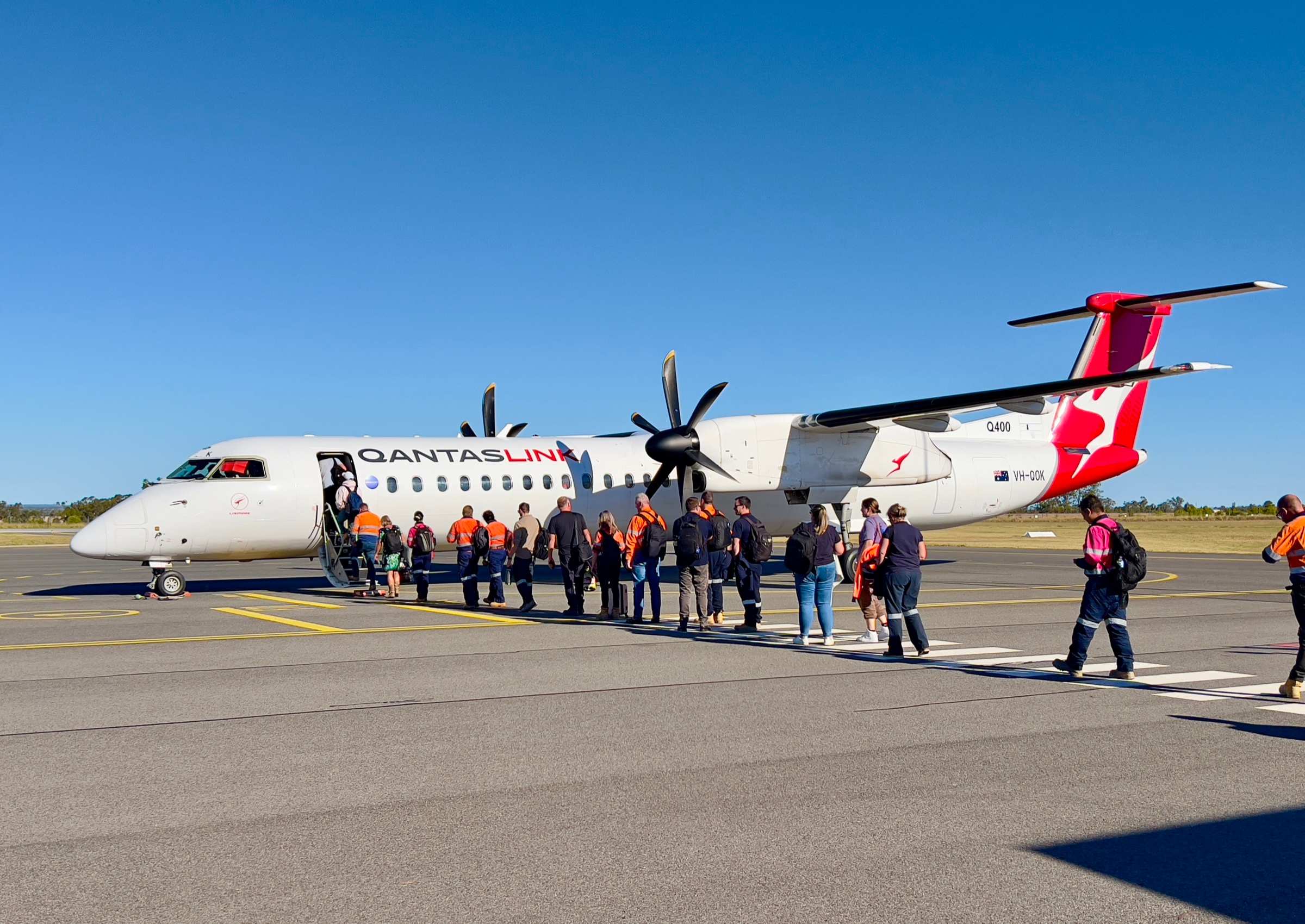
FIFO jobs for foreigners: visas, sponsorship and what's realistic
In short
- You can work FIFO as a foreigner if your visa allows work. Most foreigners on FIFO sites are on working holiday visas, and they work in all kinds of roles.
- Visa sponsorship isn’t a realistic way in for first-timers. It’s for skilled workers employers can’t find locally, like experienced tradespeople.
- The 6-month limit with one employer has exemptions, including working in different locations. Mining counts for the second 417 visa, but not for the 462.
- Good English, tickets, an Australian driver’s licence and a trade from home are what help foreigners get hired.
General information from Home Affairs, checked October 2026. We're not migration agents and can't give personal visa advice. Visa rules change: check the official pages, or speak to a registered migration agent.9
Can foreigners work FIFO in Australia?
Yes, if your visa lets you work. Foreigners are common on FIFO sites. You'll meet people from the UK, Ireland, France, Italy, Germany, Estonia and many other countries, in camp, labouring, trades and shutdown roles. Most are on working holiday visas. Some already have permanent residency. Common
What employers care about is the same for everyone: the right to work, the tickets and checks for the job, safety awareness, and good English. The rest of this guide covers what's different for you.
Which visas let you work FIFO?
| Visa | Who it's for | FIFO in practice |
|---|---|---|
| Working Holiday (subclass 417) | 18 to 30, or up to 35 for some countries. Passport from a partner country, e.g. the UK, Ireland, France, Germany, Italy, Estonia.1,2 | The most common visa for foreigners on FIFO sites. Mining counts as specified work for a 2nd and 3rd visa.4 |
| Work and Holiday (subclass 462) | Similar, for a different list of partner countries, often with extra requirements.2 | You can work FIFO, but mining doesn't count as specified work for the next visa.5 |
| Special Category (subclass 444) | New Zealand citizens.8 | Can live and work in Australia, so FIFO works like it does for Australians. |
| Skills in Demand (subclass 482) | Skilled workers sponsored by an employer.6 | For experienced tradespeople and specialists, not first-timers. See below. |
| Permanent residency | Permanent residents. | Full work rights, and open to roster jobs that ask for PR or citizenship. |
The Working Holiday Maker program has 50 partner countries and regions: 19 under the 417 visa and 31 under the 462.2 Check which one your passport falls under, and its age limit, on the Home Affairs site.
Does the 6-month rule apply to FIFO work?
On a working holiday visa, condition 8547 generally limits you to 6 months with any one employer, for any type of work, full time, part time or casual. Law3
Since 1 January 2024 there are exemptions where you can work longer without asking permission. These are the ones most relevant to FIFO:3
- Different locations for the same employer, as long as you don't work more than 6 months in any one location. A contractor sending you to shutdowns at different sites is working you in different locations.
- Mining and construction in Northern Australia only (listed areas).
- Tourism and hospitality anywhere in Australia, which Home Affairs says includes commercial housekeeping, catering services and bars. Camp hospitality roles may fall under this. Check the exact wording for your job.
If your work doesn't fit an exemption, you can ask Home Affairs for permission to work longer. You must ask before the 6 months is up.3 In practice, many working holiday makers on FIFO don't run into the limit, because shutdowns are short and spread across sites. Common
Does FIFO count for your second or third working holiday visa?
- Subclass 417: mining in regional Australia counts as "specified work" for a 2nd visa (3 months) and 3rd visa (6 months), including mining support work such as cleaning. Law4
- Subclass 462: mining isn't on the specified work list. Some other work in northern and remote areas is. Law5
- Days off on a roster count. The 88 days include weekends or equivalent rest days while you're employed, so R&R on a standard full-time roster counts, like weekends in a normal job.4
- Shutdowns count by the days you work. Casual shutdown work counts day by day, and the gaps between shutdowns don't count because you're not employed then. One calendar day never counts as more than one day.4
Keep every payslip and your contract. Working holiday makers do use FIFO work for their specified work, and as long as the paperwork is kept, it's usually straightforward. Common
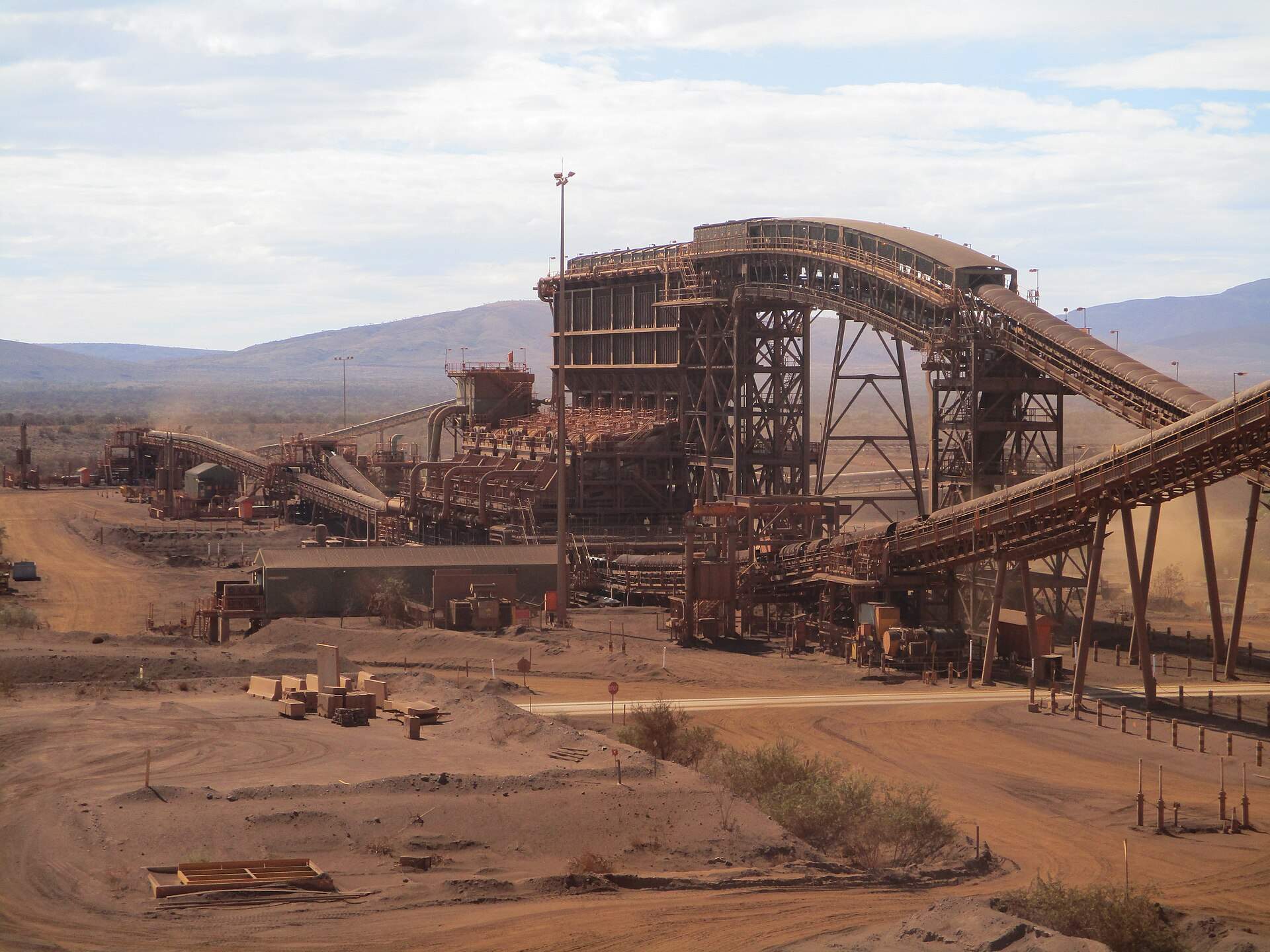
Can you get a FIFO job with visa sponsorship?
Not as a first-timer, realistically. Sponsorship lets an employer bring in a skilled worker for a position they can't fill with a suitably skilled Australian.6
- Skills in Demand visa (subclass 482): you must be nominated by an approved sponsor for a skilled position, have the right skills for the job, and meet English requirements. The Core Skills stream needs your occupation to be on the Core Skills Occupation List.6
- Resources is a priority sector: in October 2026, Home Affairs listed the resources and construction sectors among the applications it processes first.6
- DAMAs (Designated Area Migration Agreements) are agreements for specific regions that give employers access to more occupations than the standard skilled program, including some semi-skilled ones. Mining regions such as the Goldfields and the Pilbara have them. Employers must still show they tried to hire Australians first.7
Who actually gets sponsored? Experienced, qualified people in occupations employers can't fill locally. The Core Skills Occupation List covers 456 occupations, including many on FIFO sites:10
- Trades: fitters (including fitter-welders), electricians, diesel motor mechanics, metal fabricators (boilermakers), first-class welders, carpenters, plumbers and painters.
- Camp: cooks and chefs.
- Professionals: mining engineers, geologists, metallurgists, surveyors and mine deputies.
Some common FIFO roles aren't on that list, including scaffolders, riggers, crane operators, drillers and truck drivers.10 People in those roles do sometimes get sponsored, usually through a labour agreement or a DAMA, but only some companies do it. Varies Entry-level roles like utility, camp attendant or labourer generally aren't sponsored.
Beware of anyone who promises sponsorship for a fee or charging you to find a sponsored FIFO job. That's a classic scam. Only registered migration agents can give immigration advice for a fee.9
Do some FIFO jobs only take Australians?
Some do. Some roster positions, particularly long-term maintenance rosters, ask for permanent residents or citizens, because the employer wants people who'll stay for years. Shutdowns and camp roles are generally more open to working holiday makers. Varies
Read the ad for phrases like "full working rights" (any visa that lets you work) or "permanent residents or citizens only". If it isn't clear, ask when they call.
What helps foreigners get hired?
- Good English. This matters most. Prestarts, radio calls, safety instructions and paperwork are all in English, and it can be hard to understand someone over noise, radio crackle and Aussie slang. If people can't understand you clearly, it's a safety issue.
- Tickets. The core site tickets, plus any for your trade. See what tickets you need.
- An Australian driver's licence. Many sites don't accept overseas licences on site. Licences from many European countries can be transferred in WA without tests. See driver's licences.
- A trade or mining experience from home. A scaffolding, mechanical, electrical or mining background transfers well. Put it in Australian terms on your CV.
- People you know. Fellow countrymen and women already on site are often how others get in. Connections are the strongest route for everyone.
- Showing you know how FIFO works. Knowing the words, the rosters and camp life before your first call makes you sound ready. Our FIFO Basics course is built for exactly that.
Your checklist before you come
- Check which working holiday visa your passport gets (417 or 462) and its age limit.1,2
- If you want a 2nd or 3rd visa, check whether mining counts for your visa type.4,5
- Work on your English, especially listening, if it's not your first language.
- Get your CV into Australian format, with references who'll vouch for your work ethic.
- Bring a police certificate from home, if you'll apply to sites that ask for one.
- Bring a savings buffer. See how much money you need.
- Read up on how FIFO works: What is FIFO? and where to find FIFO jobs.
Questions
Can foreigners work FIFO in Australia?
Yes, as long as your visa lets you work. Many FIFO workers are from overseas: on FIFO sites you’ll meet people from the UK, Ireland, France, Italy, Germany, Estonia and many other countries, mostly on working holiday visas and in all kinds of roles.
Can I get a FIFO job with visa sponsorship?
Not as a first-timer, realistically. Sponsorship is for experienced, qualified workers in occupations employers can’t fill locally. Many FIFO trades are on the Core Skills Occupation List, such as fitters, electricians, diesel mechanics, boilermakers, welders and cooks. Scaffolders, riggers and drillers aren’t, but are sometimes sponsored through labour agreements or DAMAs. The usual way in for foreigners is a working holiday visa.
Does the 6-month rule apply to FIFO and shutdown work?
The rule is a maximum of 6 months with one employer, and it applies to all work. But it has exemptions. One is working in different locations for the same employer, as long as you don’t work more than 6 months in any one location. Each shutdown on a different site is a different location. Mining and construction are also exempt in Northern Australia.
Does FIFO mining work count for my second working holiday visa?
On a subclass 417 visa, mining in regional Australia counts as specified work, including support work such as cleaning. On a subclass 462 visa, mining isn’t on the specified work list. On a standard roster your R&R days count as rest days; on casual shutdowns only the days you work count.
Do FIFO employers prefer Australian citizens?
Some do. Some roster positions, especially long-term maintenance rosters, ask for permanent residents or citizens. Shutdowns and camp roles are generally more open to working holiday makers. Check the ad for “full working rights” or “permanent residents only”.
Does my English need to be good for FIFO?
Yes. Prestarts, radio calls, safety instructions and paperwork are all in English, often with strong accents and slang over noisy equipment. Good English is one of the things that gets foreigners hired.
Sources
- Department of Home Affairs: Working Holiday visa (subclass 417), basic eligibility (18 to 30, or 35 for some countries)
- Department of Home Affairs: Working Holiday Maker program report, December 2024 (partner countries under subclass 417 and 462)
- Department of Home Affairs: 6 month work limitation (condition 8547) and its exemptions, from 1 January 2024
- Department of Home Affairs: Working Holiday visa (subclass 417), specified work
- Department of Home Affairs: Work and Holiday visa (subclass 462), specified work
- Department of Home Affairs: Skills in Demand visa (subclass 482)
- Department of Home Affairs: Designated Area Migration Agreements (DAMA)
- Department of Home Affairs: Special Category visa (subclass 444) for New Zealand citizens
- Office of the Migration Agents Registration Authority (OMARA): find a registered migration agent
- Department of Home Affairs: The Core Skills Occupation List (456 occupations, ANZSCO codes)
General information only. Rosters, pay and rules depend on your employer, your agreement and your site. Your contract and site induction come first.